
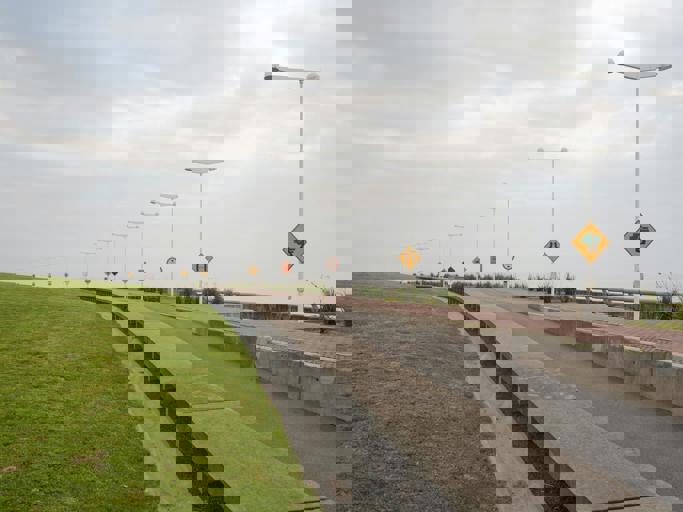
Major coastal roads along sections of the UK shoreline are set to close for extended periods as authorities commence a significant seawall restoration project. The works, scheduled to start next week, aim to address the critical deterioration of the shoreline barrier protecting local infrastructure and communities from rising tidal threats. These planned closures will impact daily commutes and transport logistics in the affected coastal regions, prompting authorities to issue early warnings to residents and businesses.
The restoration initiative follows a series of high tides and storms in recent years, which have exacerbated visible damage to the existing seawall. Coastal engineers warn that without urgent repairs, the risk of flooding and further erosion may increase, jeopardising both property and public safety. Councillor David Redding, who oversees infrastructure, said, 'This is a vital investment in protecting our coastline for the next generation.'
Detours will be implemented along several major routes, including the A337 and B3054, where traffic is expected to be redirected inland. Local authorities have mapped alternative routes and will provide clear signage to minimise confusion for drivers unfamiliar with the new arrangements. However, transport officials caution that travel times may increase, especially during peak hours when congestion is likely to intensify.
Commuters who rely on these thoroughfares are bracing for significant disruptions to their daily schedules. Sarah Wilkinson, a local resident and frequent commuter, expressed concern: 'I understand the need for the repairs, but the road closures are going to add at least 30 minutes to my journey each way.' Employers throughout the region are also being encouraged to offer flexible working arrangements where possible to accommodate affected staff.
The restoration project itself is set to employ advanced techniques and environmentally sensitive materials to strengthen the existing seawall without causing undue disruption to local wildlife habitats. Sustainability experts have been consulted at each stage, ensuring that the works comply with both national environmental guidelines and EU coastal protection directives, despite the UK's exit from the union.
Project managers estimate that the primary phase of work will extend over six months, with some sections of the seawall remaining inaccessible throughout the process. Updates on progress and unforeseen delays will be communicated via local authority websites and community notice boards. Emergency access routes will be preserved in all cases, enabling continued response by essential services such as ambulances and fire crews.
Local businesses, particularly those dependent on tourist traffic, have voiced concerns about the impact on trade during the busy spring and summer periods. The local Chamber of Commerce has lobbied for compensation schemes and additional promotional efforts to support retail and hospitality venues during the disruption. 'We hope visitors will continue to support our businesses, even if travel times are slightly longer,' commented Chamber spokesperson Angela Brooks.
In addition to structural improvements, the project includes the installation of updated drainage systems and reinforced floodgates at critical points along the seawall. These enhancements are intended to better manage runoff and tidal surges, offering long-term security for flood-prone properties. Civil engineers have emphasised that the upgraded features will help safeguard homes, schools, and heritage sites that are vulnerable to coastal flooding.
Funding for the seawall restoration comes from a combination of central government infrastructure grants and local authority reserves. The Department for Levelling Up, Housing and Communities has contributed £5 million, with a further £2 million raised through regional partnerships. Political leaders have underscored that proactive investment now could avert far greater financial losses from future storm damage or unplanned emergency repairs.
Safety precautions remain a top priority as work gets underway. Construction zones will be fenced off, with security personnel monitoring access to safeguard both the workforce and the public. Pedestrians and cyclists are urged to respect diversions and adhere to updated signage. The local council is also distributing informational leaflets outlining the changes, safety tips, and estimated completion dates for each affected stretch of road.
As part of ongoing public engagement, a series of consultation meetings and virtual forums will provide residents with opportunities to ask questions and voice concerns. Feedback collected during these sessions has already influenced the scheduling of works to avoid key local events and festivals. Authorities are keen to strike a balance between engineering imperatives and community needs throughout the restoration period.
With the importance of climate resilience growing in the public consciousness, the seawall restoration project serves as a reminder of the challenges and responsibilities facing coastal towns and cities. By investing in robust, future-proof infrastructure, local leaders hope to ensure the long-term well-being of both people and the environment. The months ahead may bring inconvenience, but the end goal is a safer, more sustainable coastline for years to come.