
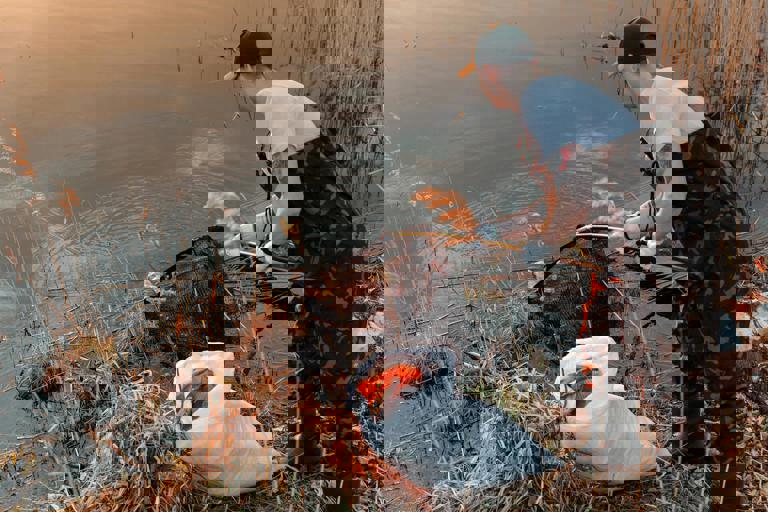
An early morning paddleboarding session in Sandbanks turned into a dramatic wildlife rescue this Tuesday, as a group of local enthusiasts encountered a rare and endangered turtle caught in marina debris. The incident has shone a spotlight on both the growing popularity of paddleboarding in the area and the ongoing environmental challenges facing marine life along the British coastline. Witnesses say the rescue unfolded near the main pier just after sunrise.
The paddleboarders, regulars of the Sandbanks watersports community, spotted the distressed reptile while gliding past a stretch of the marina notorious for accumulating litter and discarded fishing lines. Mark Williams, one of the group members, described the scene: "At first, we thought it was just a clump of seaweed, but as we drew closer, we realized it was a turtle struggling to free itself from a web of ropes."
According to marine biologists familiar with the species, the turtle is thought to be a Kemp's Ridley, considered one of the world's most endangered sea turtles. Identifying features, such as its grey-green shell and relatively small size, made it stand out immediately. The presence of this turtle in British waters is extremely rare, prompting environmentalists to express both surprise and concern regarding its appearance in Sandbanks.
The group quickly assessed the situation, understanding that time was of the essence. Using their paddles and bare hands, they carefully began to untangle the ropes and fishing lines that had ensnared the turtle's flippers and neck. The delicate operation lasted more than ten minutes, as members worked together to keep the frightened animal calm and safe from further injury.
One of the group members, Alice Murphy, recounted how they coordinated the rescue: "We made sure someone held the paddleboards steady so we wouldn’t drift, while others gently teased the ropes apart. The turtle was panicking at first, but stopped struggling once it realized we were trying to help." Their teamwork was crucial in avoiding further harm to the animal.
Upon freeing the turtle, the group quickly contacted the British Divers Marine Life Rescue (BDMLR) for advice on the next steps. Experts guided them on how to check for injuries and monitor the turtle before releasing it back into the water. Luckily, aside from slight abrasions caused by the ropes, the turtle appeared otherwise healthy and eager to return to the sea.
This rescue story has not only captivated the local community but has also prompted discussions about the growing problem of marine debris in areas like Sandbanks. Environmental campaigners cite this incident as further evidence of the dangers posed by discarded fishing gear, ropes, and plastic waste to marine animals. The issue is not new, but such high-profile cases renew calls for more stringent clean-up efforts.
Sarah James, a local marine conservation officer, highlighted the broader context: "Every year, countless marine creatures become entangled in debris. This turtle was lucky that compassionate people were nearby, but not every animal is so fortunate. We need to do more as a community to keep our waters clean and safe." Her remarks echo the concerns of many citizens and environmental groups.
Recent data from the Marine Conservation Society indicates that more than 170 species of marine life in British waters are threatened by litter entanglement or ingestion each year. Efforts have been ramping up to organize coastal clean-ups and raise public awareness, but the sheer volume of waste entering the sea continues to present a major challenge in Sandbanks and beyond.
The paddleboarders, now hailed as local heroes, say the experience has galvanized them into ongoing action. Mark Williams mentioned that the group is planning to organize monthly clean-up paddles around the marina and neighboring beaches. "We realized just how quickly things could go wrong for wildlife. If just a few more people picked up rubbish while out on the water, it could make a real difference," he noted.
As for the rescued turtle, marine experts hope it will continue its journey safely. Determining exactly how such a rare species ended up in Sandbanks remains a mystery, though changing ocean currents and rising water temperatures may play a part, according to marine biologist Dr. Emily Croft. "While rare, such sightings underscore how dynamic and unpredictable our marine ecosystems have become in recent years," she explained.
The extraordinary events at Sandbanks serve as a reminder of both the beauty and fragility of the natural world. With more people spending time on local waters, the opportunity to protect vulnerable marine life becomes ever more crucial. Community members and environmentalists agree that vigilance, community involvement, and education are key to safeguarding British marine wildlife for generations to come.